
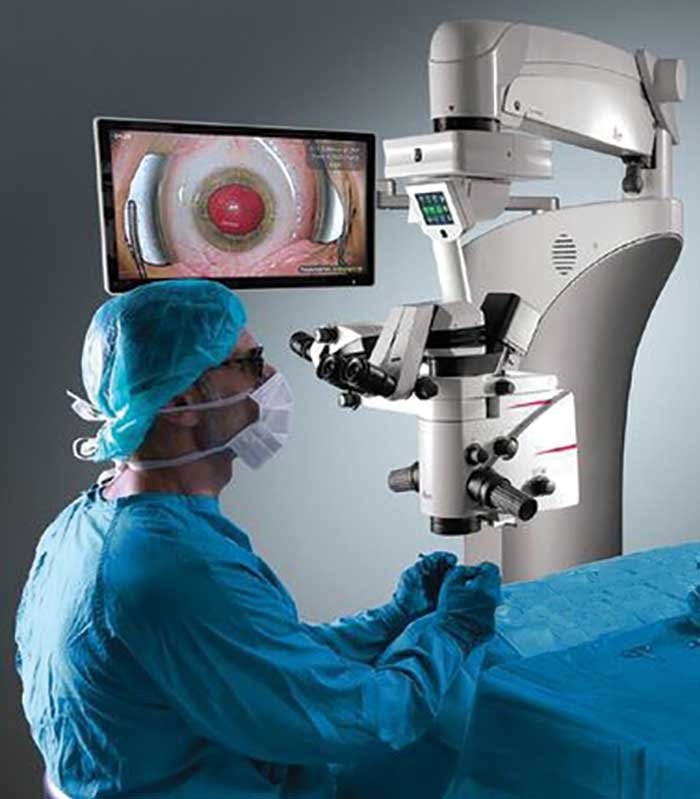
In the field of eye surgery, precision and clarity are paramount. The latest in ophthalmic surgical microscopes have pushed the boundaries of what surgeons can achieve, integrating cutting-edge technology to improve visualization, accuracy, and patient outcomes. As an industry expert, I’ll outline key advancements shaping the future of ophthalmic surgery.
Advanced Imaging and Visualization
The latest in ophthalmic surgical microscopes incorporate ultra-high-definition optics and digital imaging systems. These innovations allow surgeons to see eye structures with exceptional clarity, enabling more precise maneuvers during delicate procedures such as cataract removal or retinal repairs. Enhanced depth perception and contrast help minimize errors and improve surgical success rates.
Ergonomics and Surgeon Comfort
Modern microscopes are designed with ergonomics in mind, addressing the physical demands of lengthy eye surgeries. Adjustable viewing angles, lightweight components, and intuitive controls reduce surgeon fatigue. This ensures sustained focus and steadiness, critical factors for the high level of precision ophthalmic surgeries require.
Integration with Digital and Augmented Reality
Some of the latest models now feature integration with digital platforms and augmented reality (AR). These systems overlay critical information—like preoperative imaging data or surgical guidance—directly into the surgeon’s view. This real-time data enhances decision-making and facilitates more efficient procedures.
Improved Illumination and Versatility
Enhanced LED lighting systems provide brighter, shadow-free illumination, essential for detailed visualization inside the eye. Additionally, modern ophthalmic microscopes offer versatile configurations to support a wide range of surgical techniques, making them adaptable for evolving procedural demands.
The latest in ophthalmic surgical microscopes are transforming eye surgery by combining advanced optics, ergonomic design, and smart technology integration. These innovations empower surgeons to perform with greater precision and confidence, ultimately improving patient outcomes and setting new standards in ophthalmic care. Staying abreast of these developments is crucial for any professional committed to excellence in eye surgery.