
Learn how surgeons visualize internal structures during surgery using tools like surgical microscopes. Discover the key advantages of surgical microscope technology.
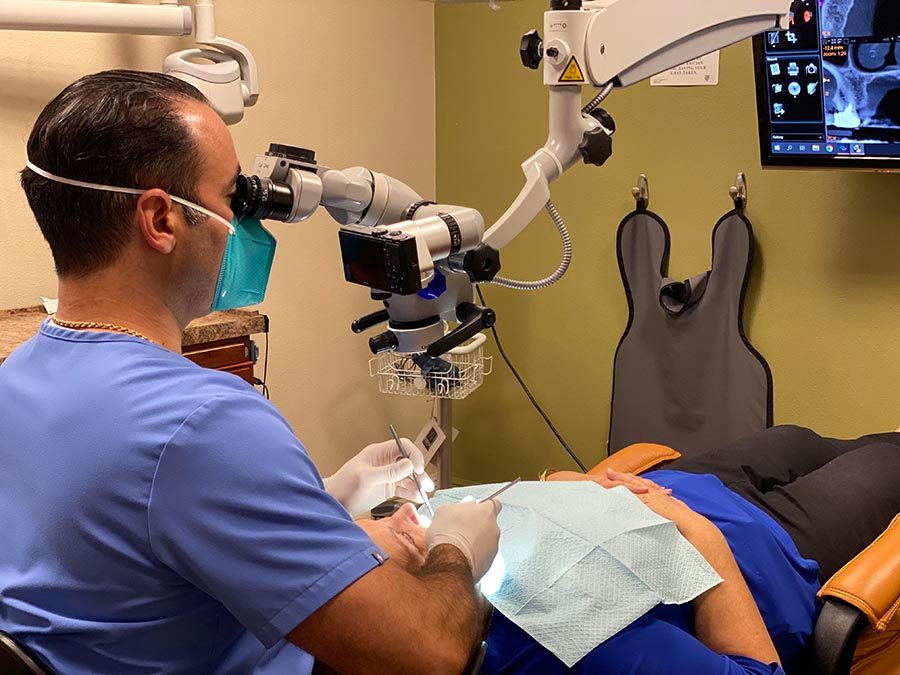
One of the most common questions patients ask before a procedure is, “How do surgeons see inside my body during surgery?” The answer lies in a combination of advanced visualization tools, refined techniques, and modern medical technologies—chief among them, the surgical microscope. This powerful device has transformed the surgical landscape, allowing for unmatched precision and clarity when navigating internal structures.
Visualizing the Surgical Field
During surgery, clear visibility is crucial. Surgeons rely on high-powered illumination and magnification to differentiate between healthy and damaged tissue, avoid vital structures, and execute procedures with confidence. In minimally invasive and microsurgical procedures, standard visualization methods are not enough—this is where the surgical microscope becomes indispensable.
The Role of Surgical Microscopes
Surgical microscopes provide magnified, high-resolution images of the operative field. These images are projected in real-time, allowing surgeons to see deep into tissues with enhanced detail. Whether operating on the brain, spine, eyes, or inner ear, the microscope ensures critical structures are visible and accessible. This visibility is essential not only for performing accurate incisions but also for minimizing trauma to surrounding areas.
Advantages of Surgical Microscope Use in Surgery
The advantages of surgical microscope technology go beyond just improved vision. These microscopes offer:
- Superior Magnification: Surgeons can see structures invisible to the naked eye, enabling precise movements.
- Focused Illumination: Bright, adjustable lighting improves contrast and depth perception in complex procedures.
- Ergonomic Design: Surgeons can maintain proper posture, reducing fatigue during long operations.
- Integrated Imaging: Some systems offer video output for recording, training, or collaboration with surgical teams.
These features collectively enhance the surgeon’s ability to perform delicate operations more safely and efficiently.
While surgical microscopes are central in many specialties, they are often used alongside other tools like endoscopes and imaging systems (e.g., MRI or CT scans). Endoscopes, for instance, are used to navigate tight spaces via small incisions, while real-time imaging can guide the surgeon’s decisions throughout the procedure.
Surgeons see inside the body using a combination of experience, lighting, imaging, and advanced tools like surgical microscopes. The advantages of surgical microscope technology are evident in their ability to provide enhanced vision, precision, and safety. As surgical techniques become more sophisticated, the role of high-quality visualization tools will continue to expand, driving better outcomes for patients and greater confidence for surgical teams.